In A Hundred Examples of Poetic Objects, Mr. Yang Zhishui examined numerous objects featured in ancient verse, including, naturally, jewellery. We are delighted to discover the centuries-long, ambiguous relationship between jewellery and poetry, with a subtle resonance that fosters a harmonious relationship.
Whilst ‘narrative jewellery’ may be considered more of a genre, there is no doubt that the narrative function of jewellery in the broader sense permeates both its intrinsic qualities and external history. Its external history manifests from primitive magical worship to contemporary consumerism. Regarding its internal qualities, as objects that similarly generate ‘aesthetic sensibility’ through ‘visual imagery’, jewellery possesses unique modes of ‘expression and interpretation’ – thus encountering poetry.
When the viewer directly interprets a work, their own background plays a crucial role. As Gadamer observed, understanding is a reconciliation, compromise, or fusion between the interpreter’s horizon and the horizon of the past – a perspective widely applied in analyzing visual culture. Zhu Guangqian offers a similar perspective from the realm of poetry, positing that appreciating verse constitutes a creative act. Consequently, the imagery perceived and the sentiments evoked by an individual reader, shaped by their character, inclinations, and experiences, cannot align with those of any other reader.
Another interpretation of jewellery involves the wearer’s participation. When adorned, the wearer’s personal narrative naturally intertwines with the piece, generating fresh storytelling presented to the observer. Thus jewellery grants the wearer a right to ‘re-creation’ – an opportunity to imbue their identity with new meaning. Consider poetry: when one recites a verse within a particular setting, this act not only conveys the poet’s creation but also reflects back upon the reciter, embodying the adage that ‘a mind enriched with literature naturally radiates grace’.
Regarding expression, jewellery’s communicative function was long framed within a ‘content-form’ dualism. This approach resembles Croce’s theory of expression, wherein a work is deemed complete when the mind intuitively grasps an image saturated with aesthetic resonance – be it poetry, painting, or other art forms. Modern linguistics, however, recognizes the coherence and simultaneous generation of language and thought. This latter perspective, applicable to poetic theory, is equally evident in contemporary jewellery creation. These works leverage the inherent properties of jewellery language—material, colour, structure, texture, symbolism, and wearability—to articulate concepts, thereby firmly establishing jewellery’s legitimacy within the boundless realm of visual arts.
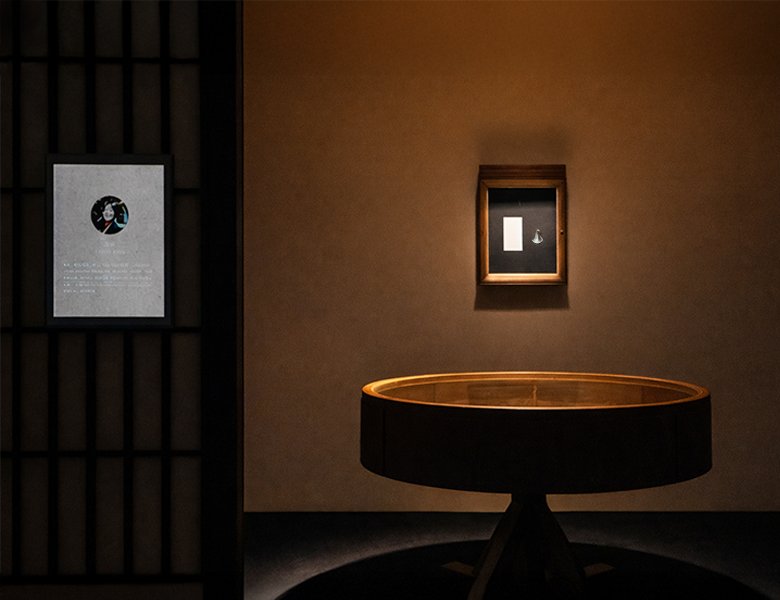
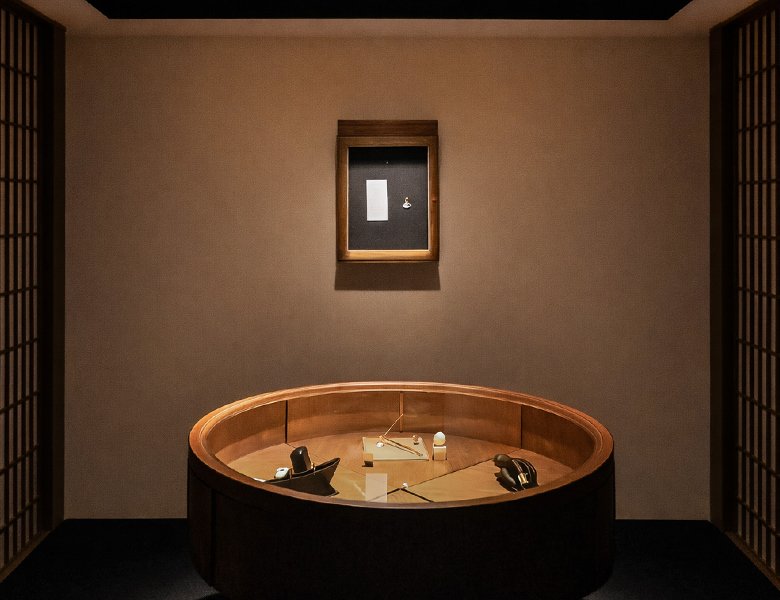
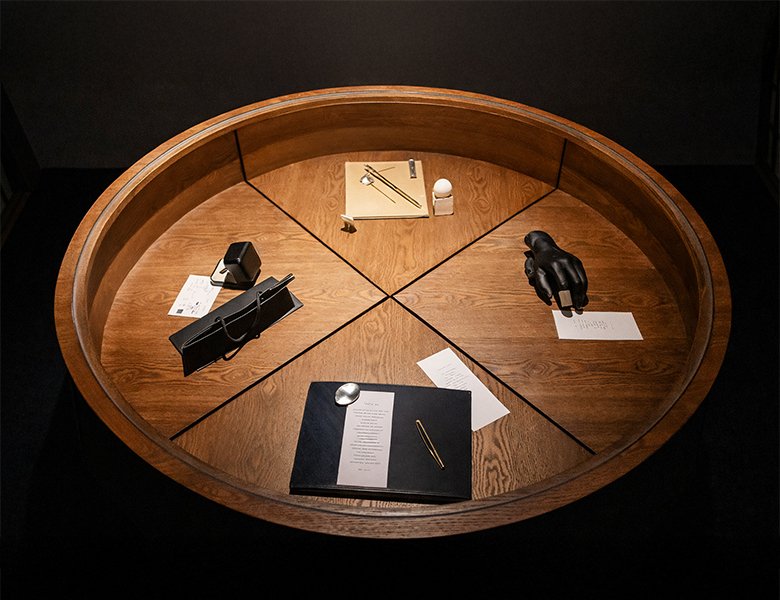
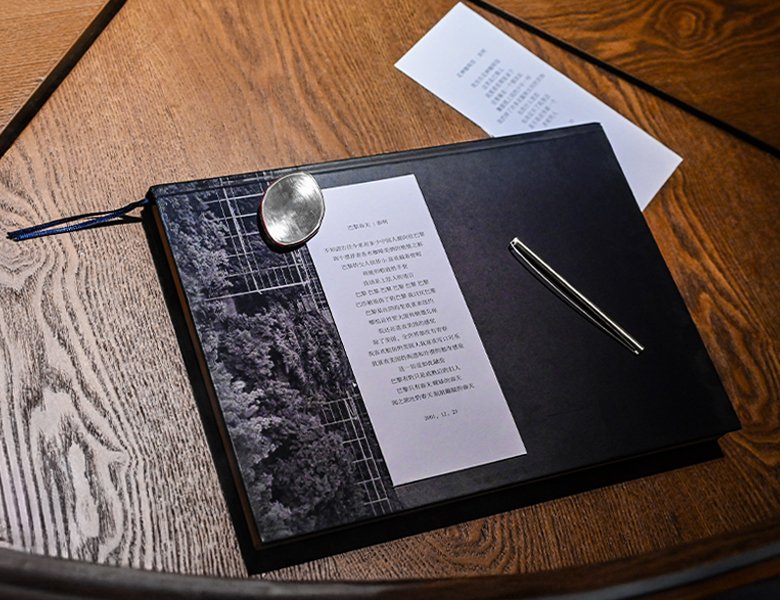
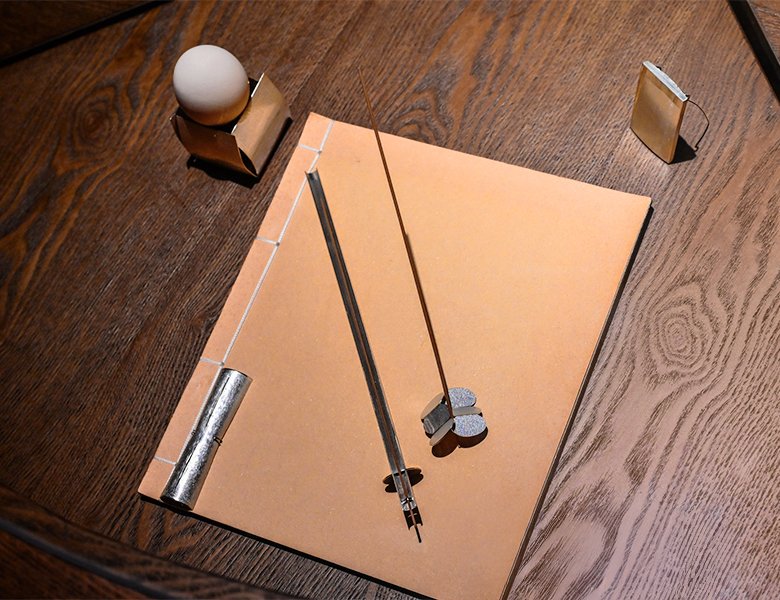
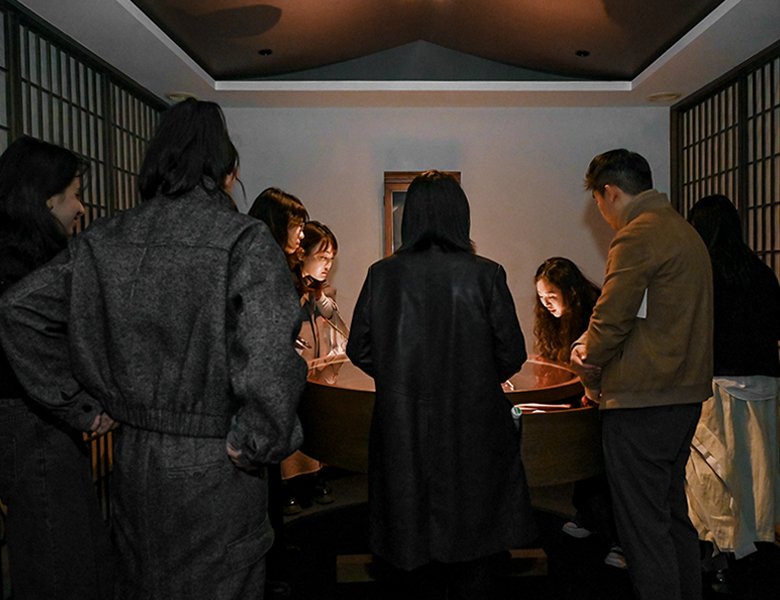
Thus, recognizing jewellery’s enduring affinity with poetry, we eagerly invite both to progress from resonance and consensus towards collaborative creation. In the exhibition A Poem to be Worn, we have invited jewellery artists and poets to co-create, encouraging every visitor to GALLERY JINJING to listen intently to the whispers of affection exchanged between jewellery and poetry.
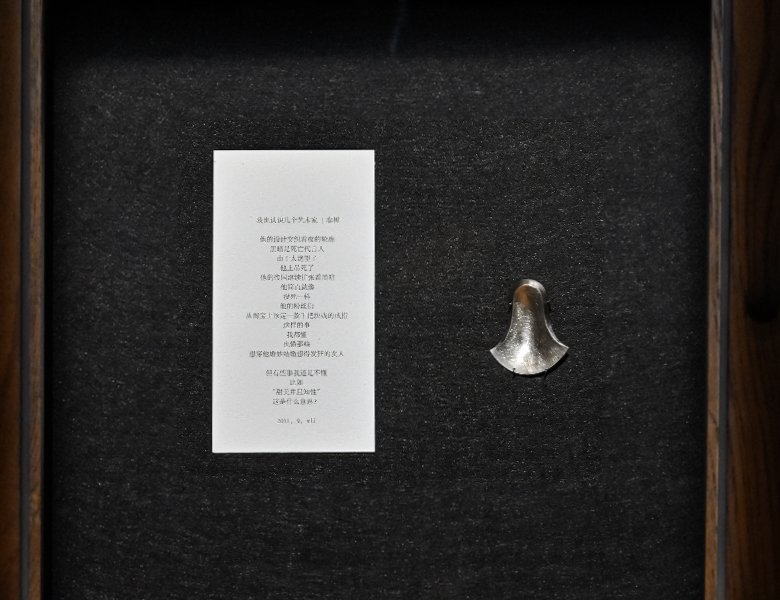
I know a few artists too
Chun Shu
His designs weave the contours of night
Darkness is death’s spokesperson
Driven to utter despair
He hanged himself
His empire continues to spread darkness
He seems almost
As though he never died
His fans
pre-order rings costing a thousand or so yuan from Taobao.
Such things,
I understand.
I also understand those
women who are madly obsessed with wearing his wedding ring to marry.
But some things I still don’t understand.
For instance,
‘Sweet and intellectual’—
What does that even mean?
x/09/2011
Paris Spring
Chun Shu
I wonder how many Chinese people throughout history have longed for Paris
That city of sensuality, where perfume, coffee and fine wine float through the air
Parisian women are petite, they like to wear casual hats
Necklaces and delicate gloves
French is the language of the upper class
Paris Paris Paris Paris Paris Paris Paris
Paris, already clichéd. I hate Paris
Paris is stuck in the gutter. I prefer New York
Even if a few more World Trade Centers collapse,
I still prefer the feeling of America
Besides America, the whole world lacks youth
I like vulgar Americans. I like Coca-Cola.
I like American streets and the indifferent urban feel.
It all blends so harmoniously.
Paris only has mature women.
Paris only has spring. An ambiguous spring. A nauseating spring. A dirty, filthy spring.
23/12/2001
Café de Flore
Chun Shu
I sit in Café de Flore
Is this Paris?
I must see that table
And steal an ashtray
Like the youth described in the papers
I discarded many clothes and useless jewellery
It was pointless
Nor could it determine
Whether beside me sat
A person dear to me
25/01/2003
18 years old
Chun Shu
A mate sent me a photo
A picture of us together
This was his eighteenth year
2006
Baoding
He had a head of curls
A lip piercing
Bubbling with hormones
Still some time before
his second divorce
31/12/2017