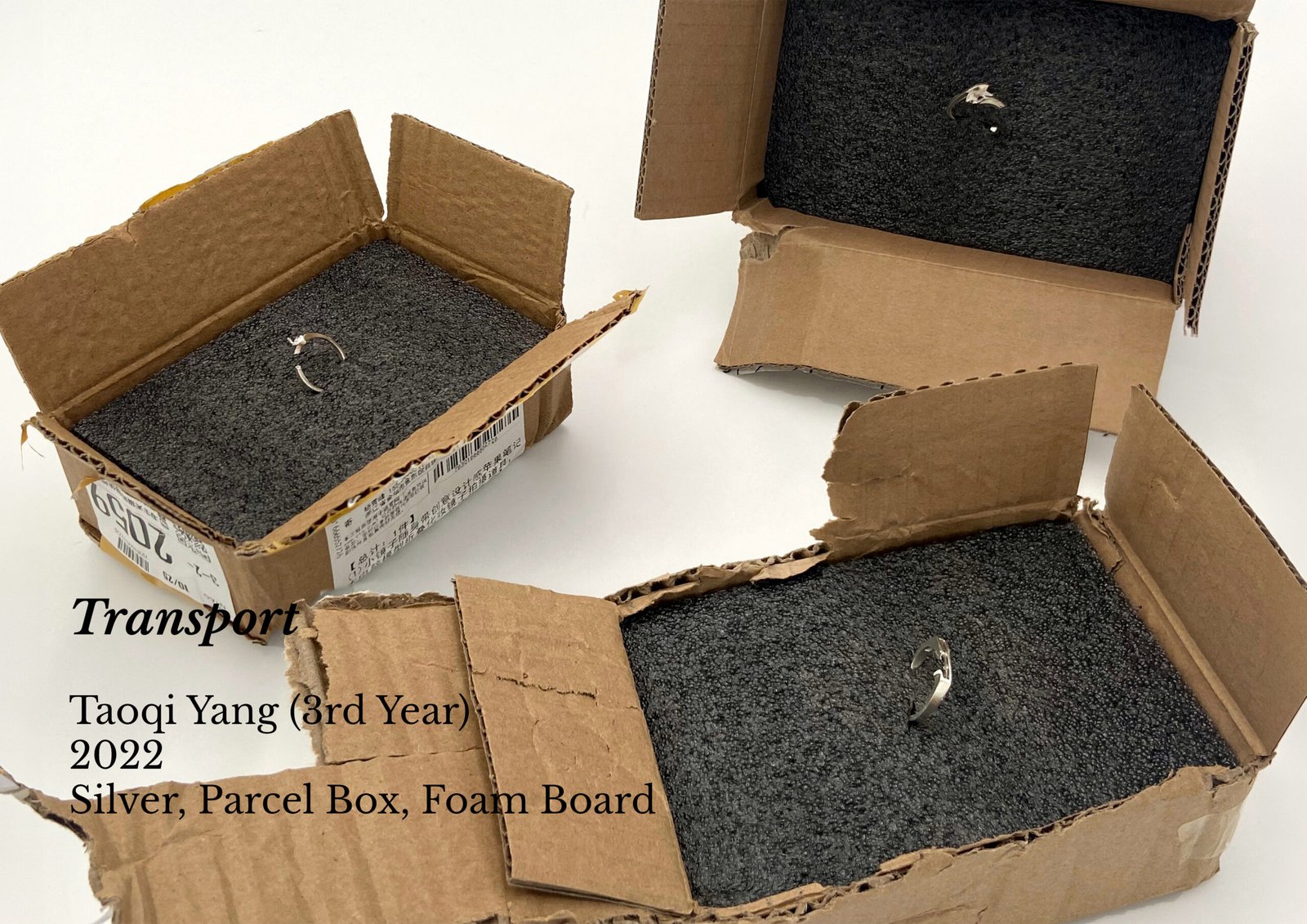
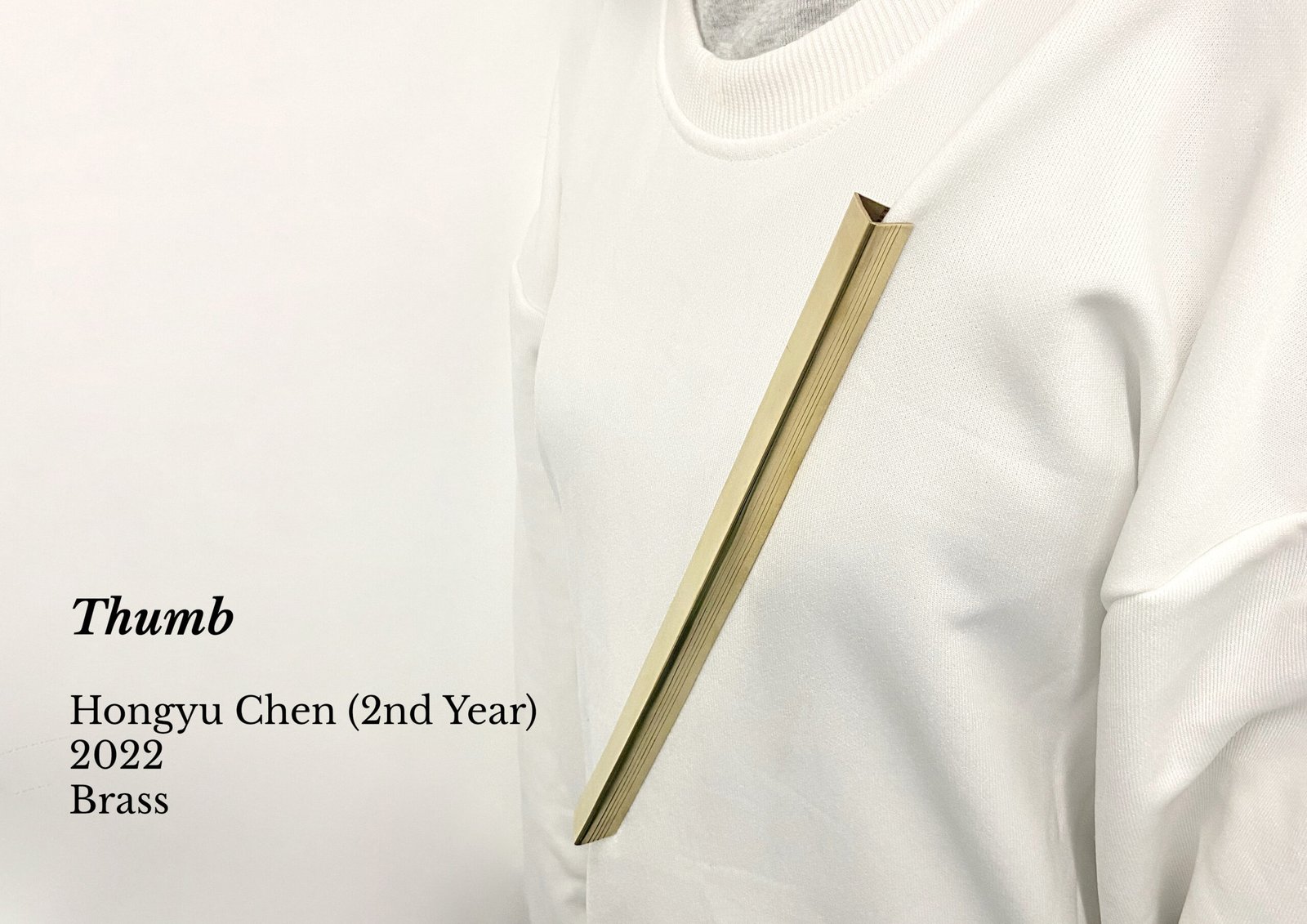
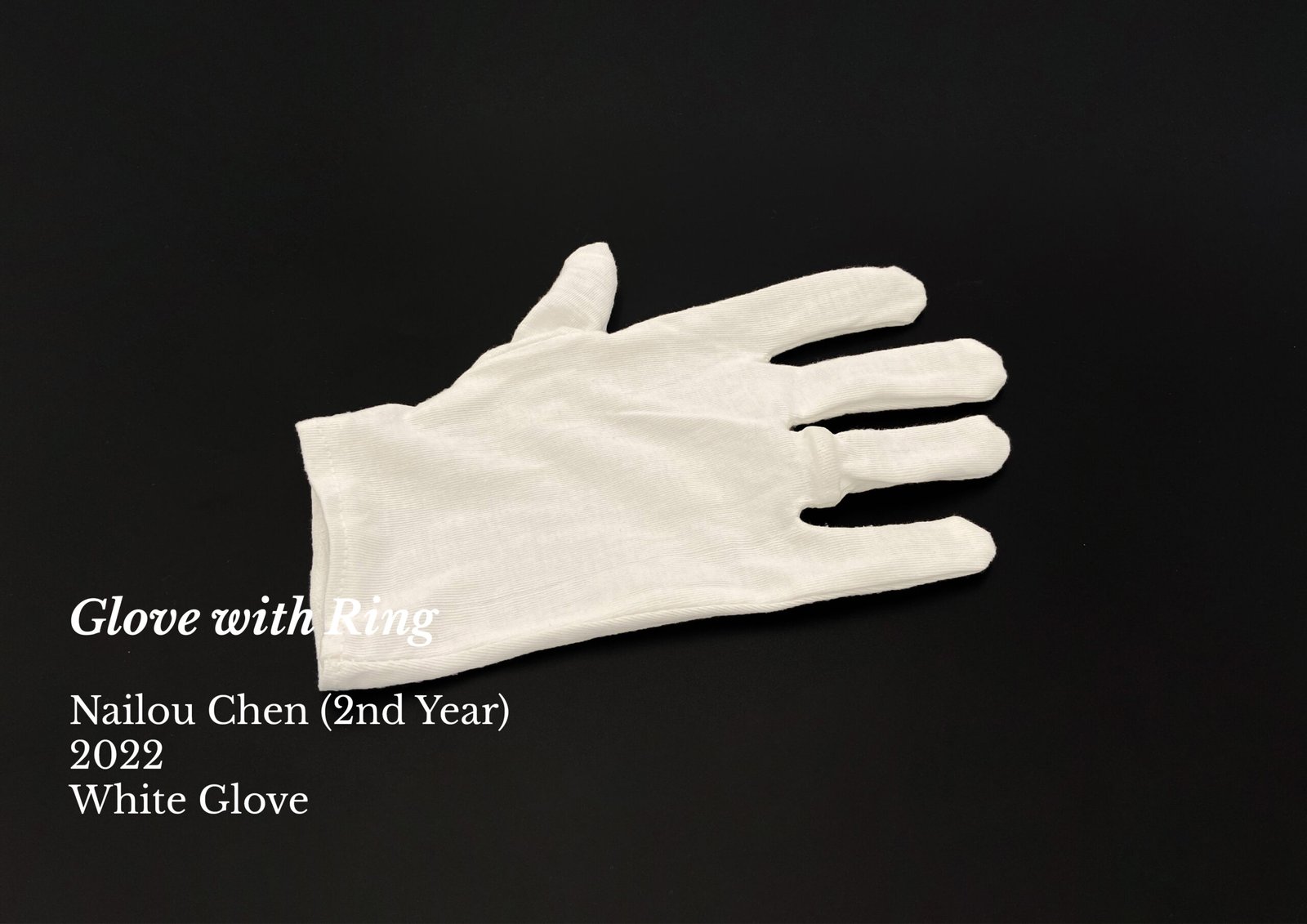

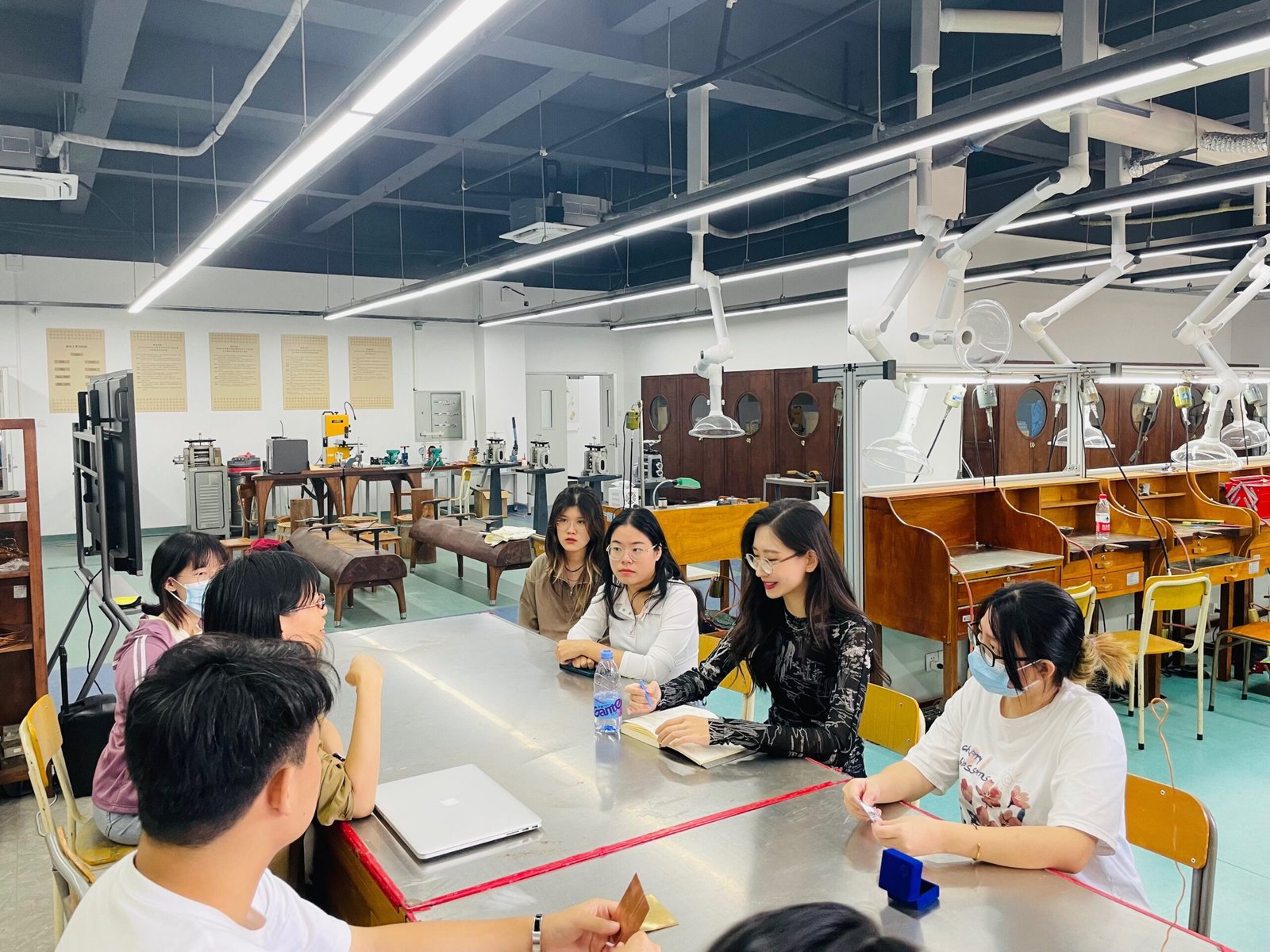
The workshop begins with Bidirectional Drive–A Creative Approach to Contemporary Jewellery lecture. This approach resists the one-directional translation or transformation between a creator’s field of interest and their chosen craft medium. Instead, it emphasizes a process of bidirectional extension between the two through stages such as observation, research, divergence, and experimentation. Within this framework, the extension of the craft medium encompasses both material dimensions, such as physical, chemical, and functional properties, and immaterial dimensions, including technical, cultural, historical, social, metaphorical, symbolic, and experiential aspects. The resulting artwork emerges as one or multiple points of intersection between these two expanding trajectories (the field of interest and the craft medium). Under this model of ‘Bidirectional Drive,’ creators are able to generate an open-ended range of contextually precise works, while both their interests and the craft medium are developed in depth.
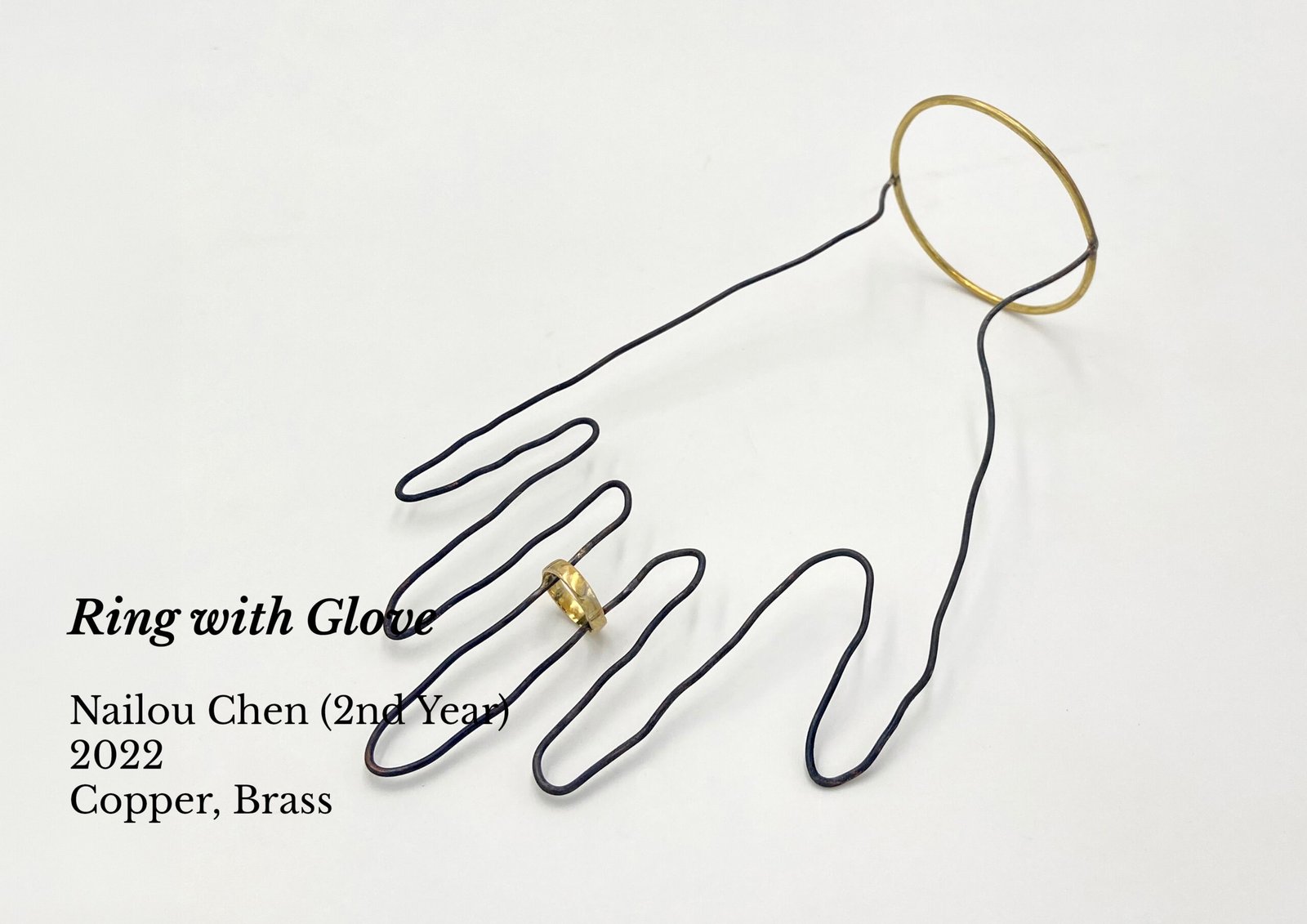
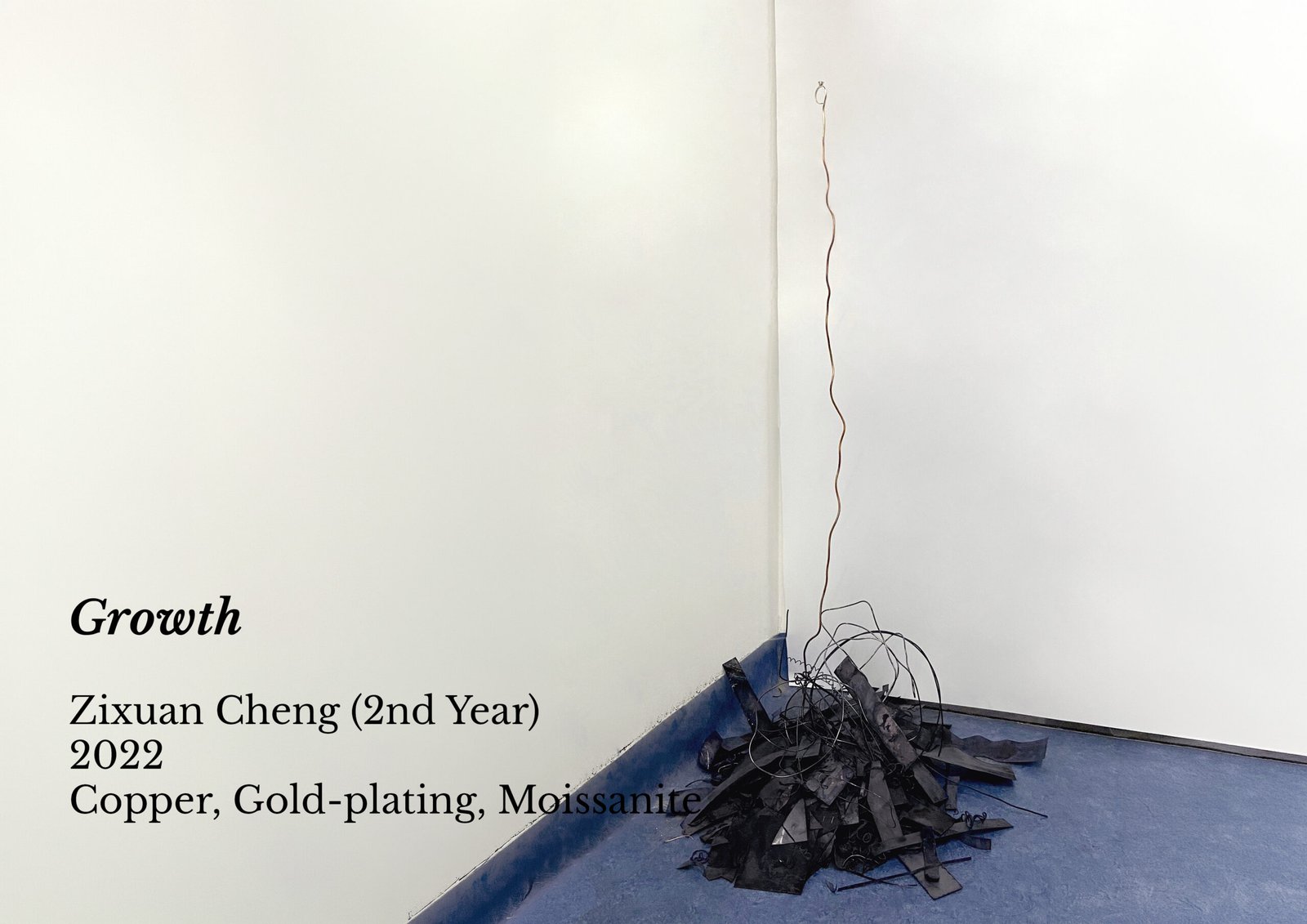
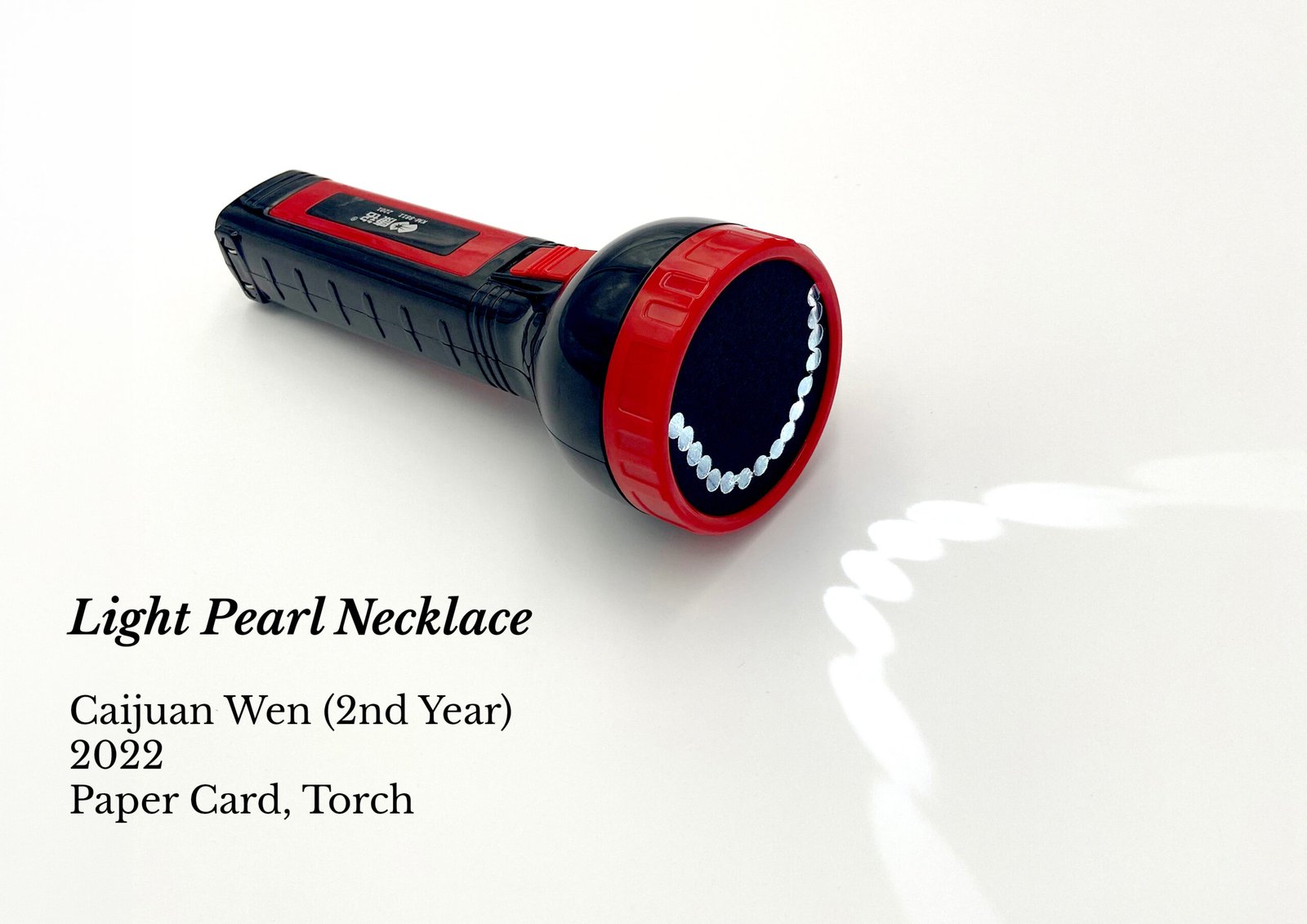
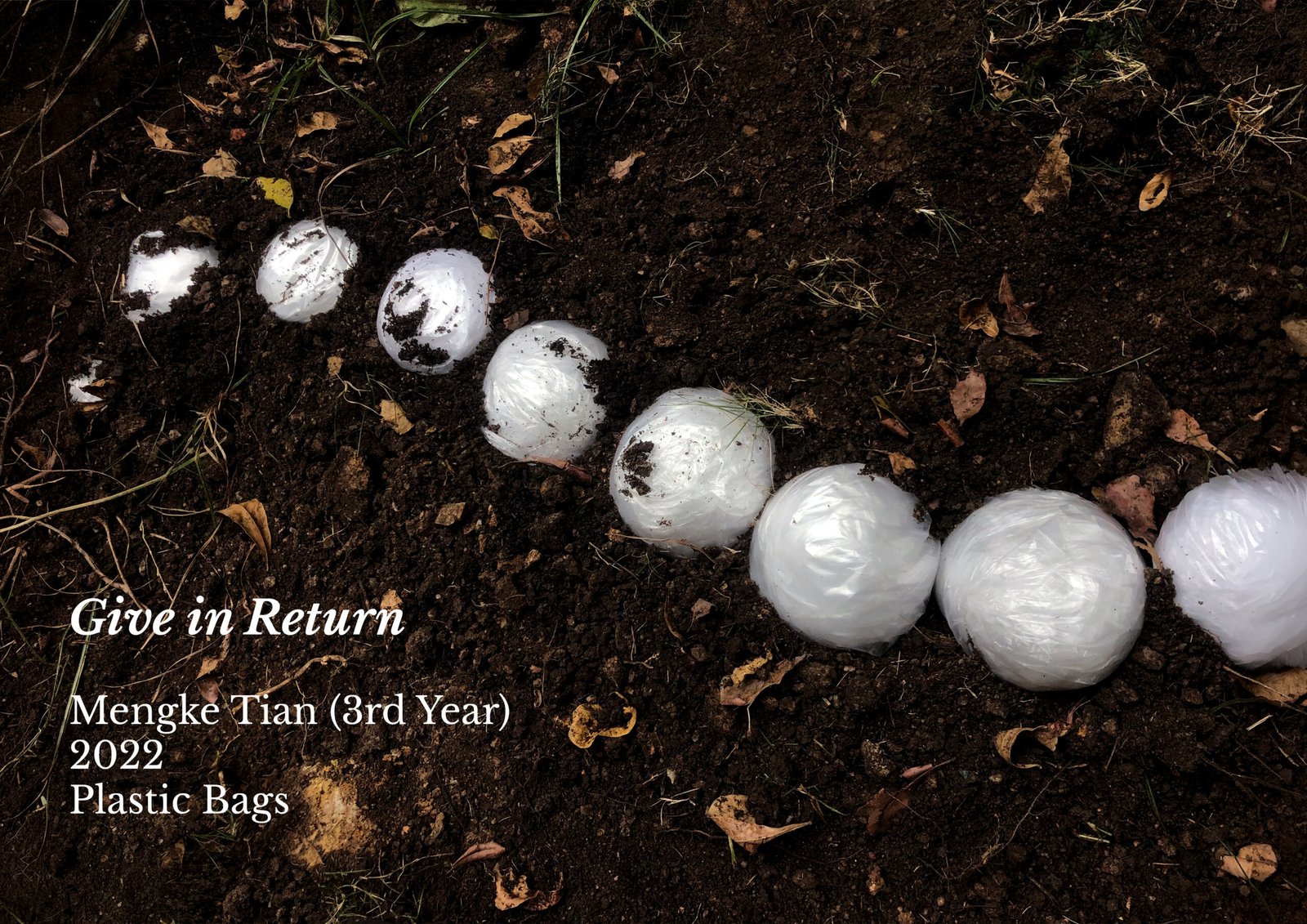
The workshop adopts a combined theoretical and practical approach, guiding students to begin with composite materials and to treat material itself as the second pole within the bidirectional framework. Through methods such as brainstorming and material experimentation, students develop multiple extensions of interest, using critical thinking as a pathway to explore potential intersections with the specificities of jewellery as a medium. Students are asked to extract materials or elements from a bucket of accumulated studio waste, such as paper scraps, strands of hair, metal offcuts, packaging materials, dust, or fruit peels. Each student selects one element and, through investigating and capturing its properties (both physical and non-physical), transforms these composite materials into visual language, contributing to conceptual narratives, and ultimately presenting the work in the form of jewellery. Through this process, students are encouraged to reconsider value in relation to jewellery and to perceive the latent imaginative potential embedded within what is ordinarily taken for granted.
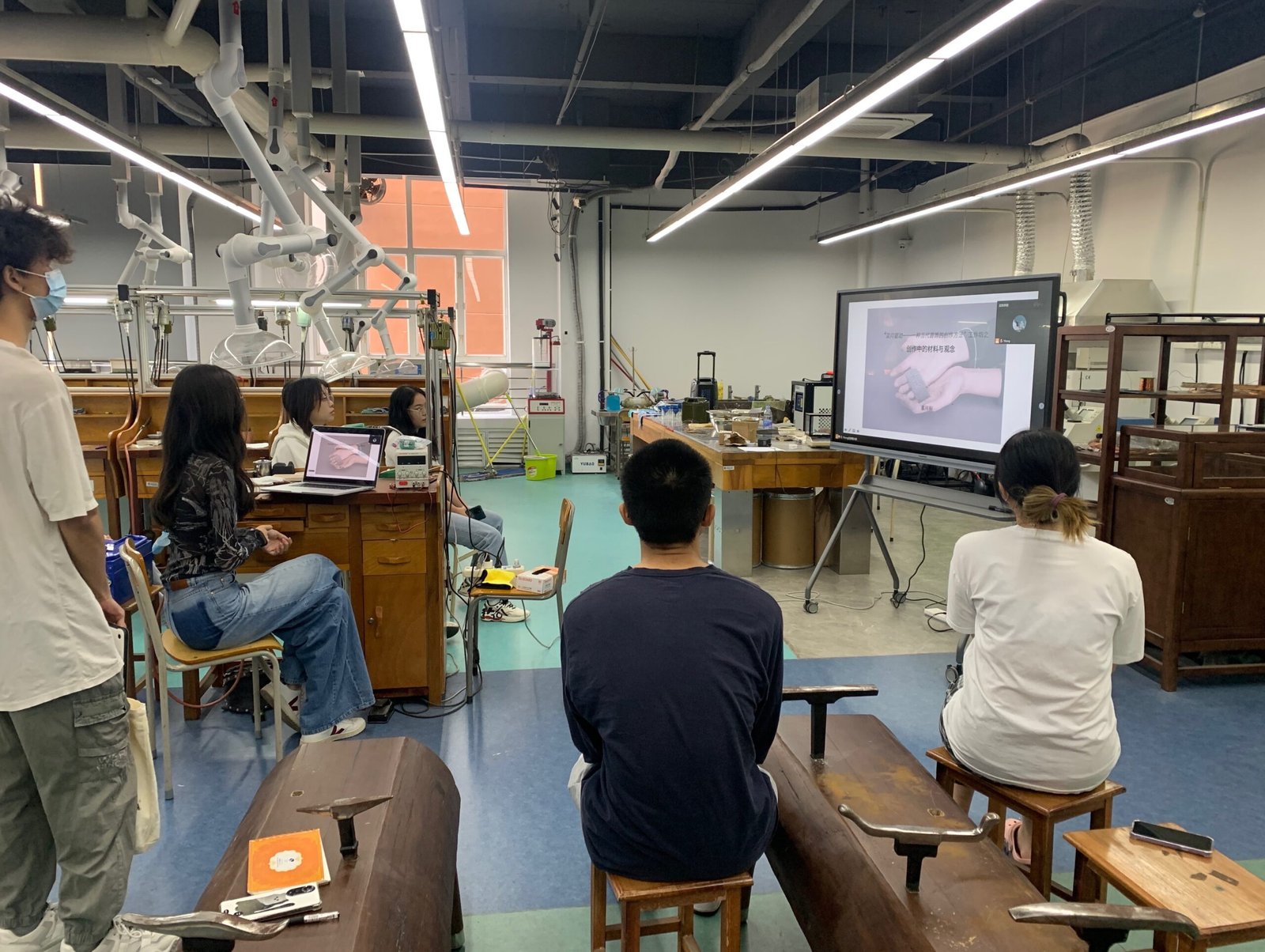
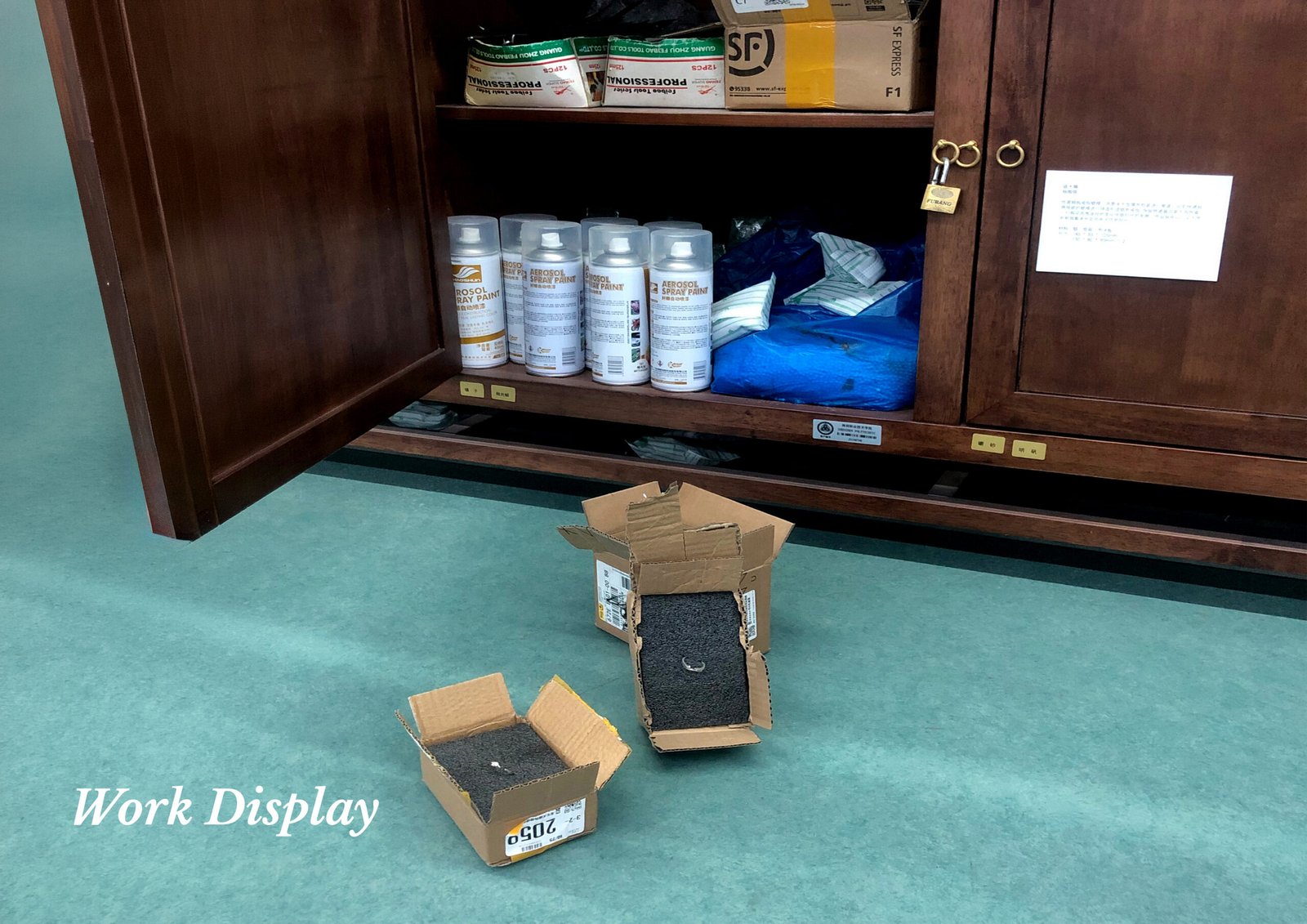
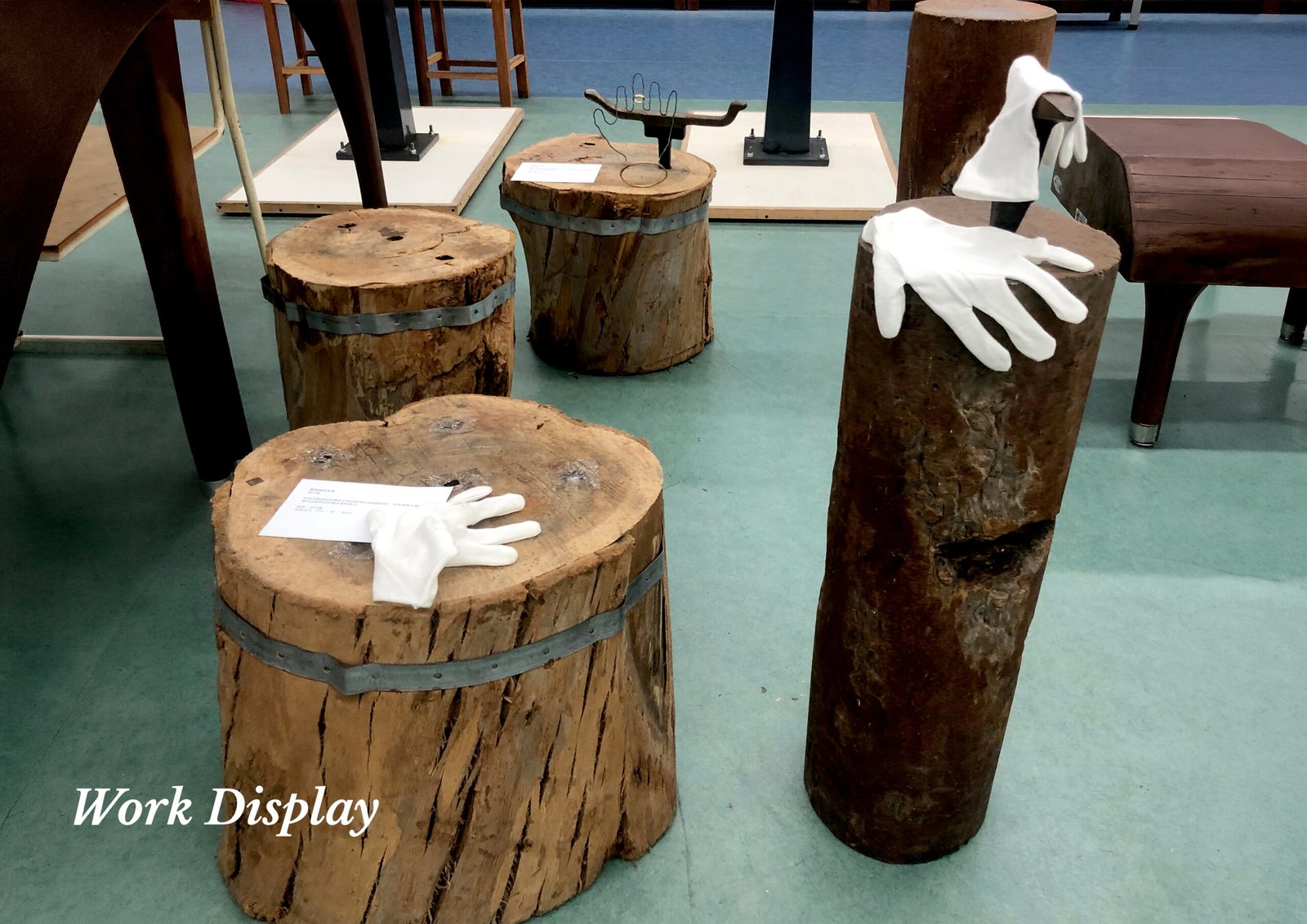
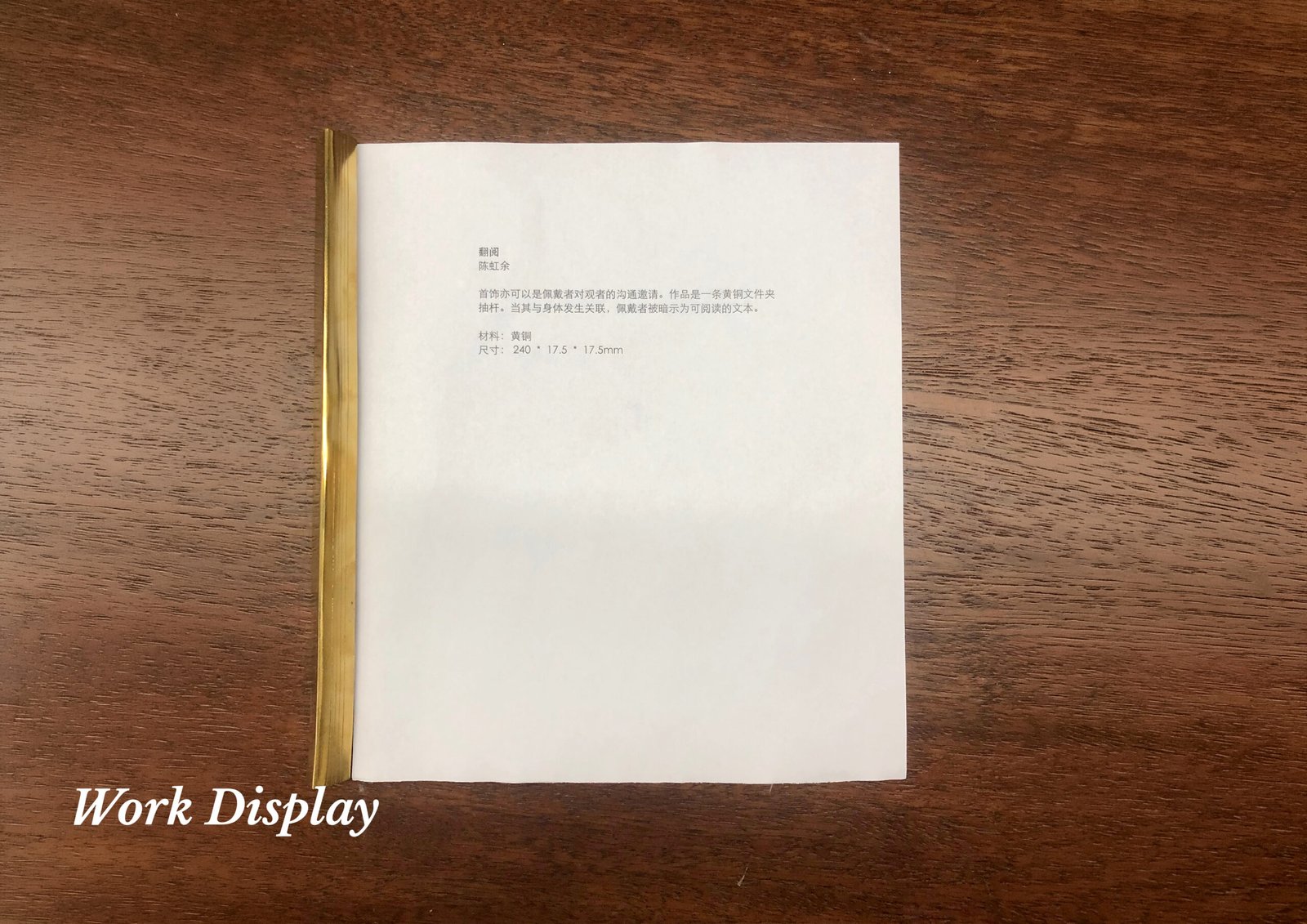
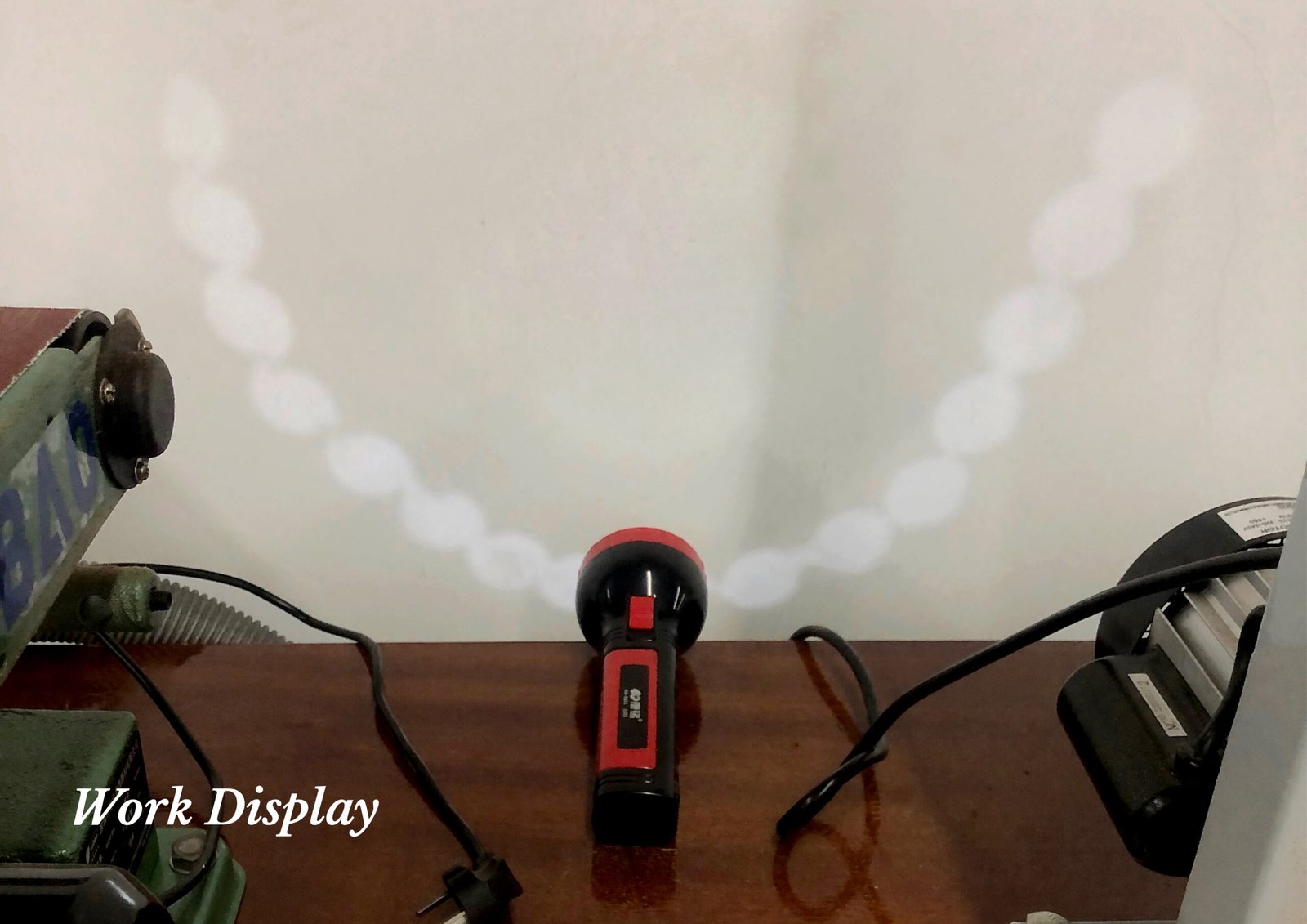
As all creative outcomes in this workshop originate from discarded materials found in a waste bin, the resulting works are likewise situated within the everyday environment of the studio. Viewers within the institution are invited to attentively search for these works within the ordinary space. This mode of exhibition reflects a trajectory of making: beginning from the everyday, passing through processes of imaginative expansion and critical deliberation, and returning to the everyday, where it operates and resonates. This condition reflects one of the defining qualities of contemporary craft practice.
The workshop comprises two lectures, Bidirectional Drive—A Creative Approach to Contemporary Jewellery and Material and Concept in Creative Practice. Through group seminars and one-to-one tutorials, the programme develops students’ perceptual sensitivity to composite materials (including found objects), strengthens their capacity for experimentation, and fosters a process-oriented approach to making. At the same time, it reinforces students’ critical thinking. The workshop concludes with an exhibition of the students’ work on the final day.